How to Make a Leaf-Imprint Stone Bird Bath (Easy DIY in 7 Steps)
This post contains affiliate links. As an Amazon Associate, I earn from qualifying purchases at no extra cost to you.
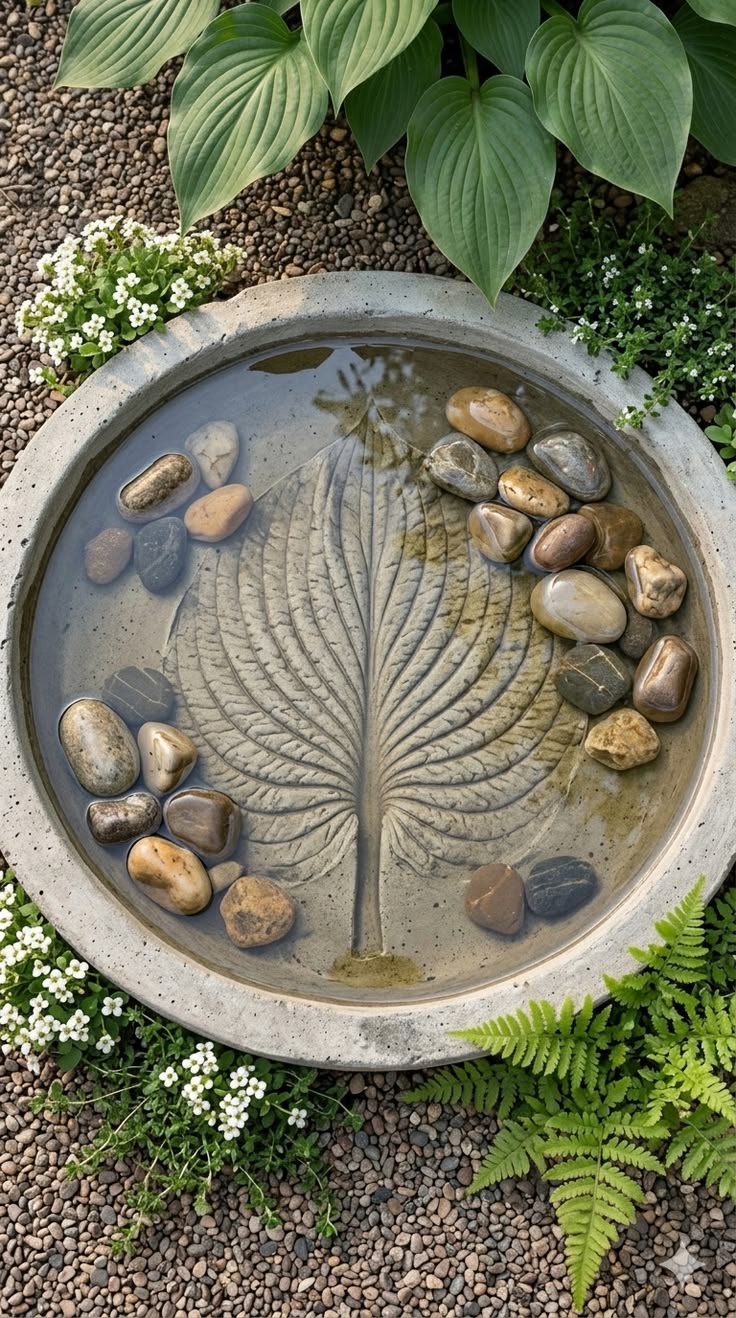
If you want a bird bath that looks like it came from a boutique garden shop but actually costs almost nothing this leaf-imprint stone bowl is the project to try. A single large leaf (hosta works beautifully) is pressed into concrete before it cures, leaving a permanent vein pattern in the bottom of the bowl. Fill it with water and a scatter of smooth river pebbles, and you’ve got a piece that looks handmade and intentional, not like a store-bought basin.
Here’s exactly how to make one, plus tips for styling it once it’s in the garden.
Everything you need for this project
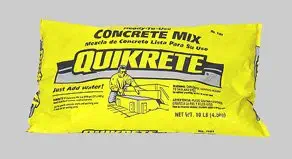
- Quick-setting concrete mix (a bag of pre-mixed concrete or mortar mix works fine)
- A large, deeply-veined leaf hosta, rhubarb, or elephant ear leaves all cast well
- A shallow mold to shape the bowl (a plastic bowl, a mound of sand, or a rubber mixing tub)
- Cooking spray or petroleum jelly (to help release the leaf and mold)
- Mixing bucket and trowel or old spoon
- Smooth river pebbles in a mix of sizes and colors
- Optional: concrete sealer, and outdoor-safe paint or stain if you want to tint the bowl
Step-by-Step Instructions
1. Choose and Prep Your Leaf
Pick a leaf with strong, raised veins the more texture it has, the more detail will show up in the concrete.
2. Set Up Your Mold
Line your bowl or mold with plastic wrap, or coat it lightly with oil so the concrete doesn’t stick. If you want a more organic, freeform shape, mound damp sand into a shallow dome and drape plastic wrap over it instead this gives you a rustic, hand-formed edge rather than a perfectly round one.

3. Mix and Pour the Concrete
Mix your concrete to a thick, oatmeal-like consistency not soupy. Pour it into the mold, building up the sides to at least 1.5 – 2 inches thick so the bowl is sturdy enough to hold water long-term. Smooth the surface with your trowel.
4. Press in the Leaf
While the concrete is still wet, lay the leaf vein-side-down into the center of the bowl and press it in gently but firmly, smoothing outward from the center so the veins imprint clearly all the way to the edges of the leaf.
5. Let It Cure
Cover loosely with plastic and let the concrete cure for 24–48 hours. Curing slowly (rather than letting it dry too fast in direct sun) helps prevent cracking. Once firm, carefully peel back the leaf to reveal the imprint underneath.
6. Finish the Surface
Once fully cured (this can take up to a week for full strength), brush off any loose debris. If you want a softer, aged look, apply a light wash of outdoor paint in a muted grey-green or stone tone and wipe most of it back off, leaving color settled into the leaf grooves. Seal with a concrete sealer if you’d like extra weather resistance.
7. Style It With Water and Pebbles

Fill the bowl with a couple inches of water and arrange river pebbles around the edges in two loose clusters, leaving the leaf imprint visible in the center. The pebbles aren’t just decorative they give birds and pollinators secure footing to land and drink safely.
Placement Tips
- Tuck it under leafy plants like hostas or ferns. The surrounding foliage echoes the leaf motif in the bowl and gives birds cover from predators while they drink.
- Keep it low and near pollinator plants. A ground-level or low-pedestal placement near flowering ground cover attracts bees and butterflies as easily as birds.
- Change the water every few days. This keeps it algae-free and safe for visiting wildlife, especially in warmer weather.
- Angle it slightly. A very slight tilt (even a few degrees) keeps the water shallow at one edge, which smaller birds and bees actually prefer.
Variations to Try
- Multiple leaf sizes: Cast a large “parent” bowl and a couple of smaller matching dishes with different leaves for a layered look.
- Colored washes: Try a soft blue-grey or terracotta-toned stain instead of natural concrete for more color in the garden bed.
- Mosaic pebble ring: Instead of two clusters, ring the entire inner edge with pebbles in a single color for a cleaner, more modern look.
This project takes a weekend at most, costs under $20 in materials if you already have a mold on hand, and gives you a bird bath that looks completely custom because it is.