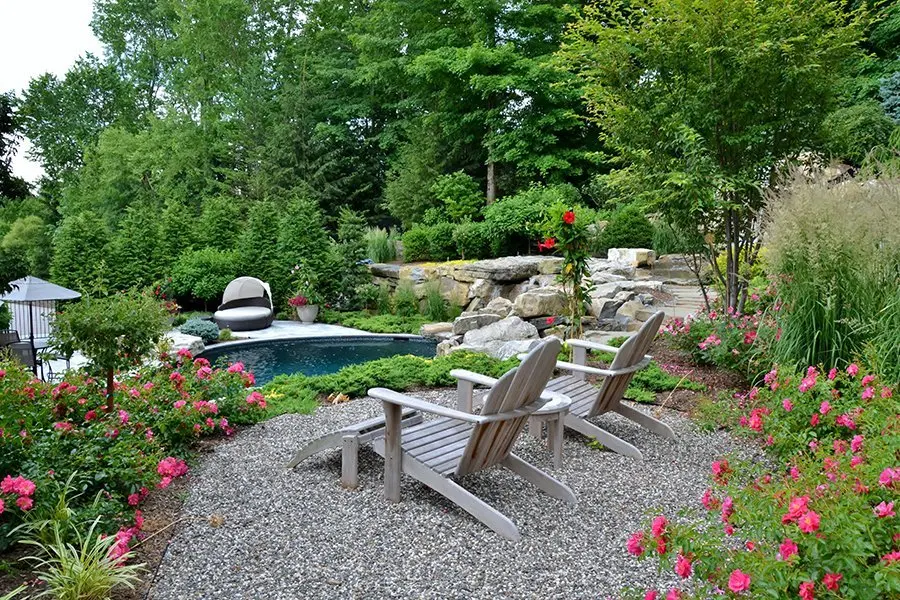
There’s something irresistibly romantic about a rose garden: the scent drifting on warm air, petals in dappled sunlight, and the timeless silhouette of climbing roses on an arch. Whether you have a sprawling yard, a modest patio, or a sunny balcony, roses can transform any outdoor space into a fragrant, picture-perfect sanctuary. Below are 20+ inspired ideas, practical design tips, and simple care steps to help you build a rose garden you’ll return to every day.
Why Choose Roses?
Roses offer variety in color, form, fragrance, and habit — from compact patio roses to vigorous climbers. They pair beautifully with perennials and herbs, provide structure in landscapes, and create memorable focal points for photos, gatherings, and quiet afternoons.
Quick Design Approaches
- Classic Romantic Setup: Create an English-inspired garden with archways draped in climbing roses, symmetrical beds, and obelisks for vertical drama.
- Space-Saving Options: Use large containers, wall trellises, raised beds, and hanging baskets for urban patios and small yards.
- Themed Zones: Organize by color (a white garden, a sunset palette) or by function (a cut-flower patch, a fragrance garden).
20+ Rose Garden Ideas (with visuals in mind)
- Archway Entrance: Train climbing roses over a stone or wooden arch to create a dreamy threshold.
- Obelisk Statement: Place obelisks with climbing or tall shrub roses as vertical anchors in smaller plots.
- Symmetrical Borders: Plant even rows of hybrid teas or floribundas for a formal, classic look.
- Lavender Border: Pair roses with lavender or catmint for scent and a soft, complementary texture.
- Patio Pots: Use large, deep pots or terracotta planters for floribunda or patio roses on balconies.
- Wall of Roses: Install trellises on a blank wall and grow climbers for instant privacy and color.
- Hanging Rose Baskets: Choose miniature roses for eye-level blooms that add charm to porches.
- Raised Beds: Improve soil drainage and reduce back strain with defined, raised rose beds.
- Sunken Rose Beds: Create depth and drama with tiered planting levels and a central focal point.
- Gravel Walkways: Crushed stone paths lend a rustic, European feel and highlight rose beds.
- Wrought-Iron Bench Nook: Nestle a bench within a rose-covered arbor for the perfect reading spot.
- Color Rooms: Dedicate areas by hue — a serene white rose section or a warm sunset-hued corner.
- Stone Retaining Walls: Soften hard edges by planting cascading roses along low stone walls.
- Bird Bath Centerpiece: Surround a bird bath with low-growing roses to invite birds and add movement.
- Fairy-Light Arches: Weave string lights through climbing rose arches for magical evenings.
- Sculpture Focal Point: Place a statue or urn amidst roses as a classic centerpiece.
- Herb Companions: Interplant rosemary, thyme, or sage to enhance fragrance and attract pollinators.
- Edible Rose Uses: Grow fragrant varieties for petals to use in syrups, jams, or potpourri.
- Low-Maintenance Mixes: Choose shrub and landscape roses mixed with mulch for easier upkeep.
- Privacy Hedge: Plant dense shrub roses along a boundary to form a flowering screen.
- Seasonal Containers: Swap seasonal accents like annuals or bulbs in containers with your roses to extend visual interest.
Design Tips to Elevate Your Garden
- Think Vertical: Arbors, obelisks, trellises, and walls let roses climb and save ground space.
- Create Vistas: Use focal points (bench, statue, bird bath) at the end of a path to draw the eye.
- Layer Textures: Combine roses with perennials, grasses, and herbs to create depth and seasonal interest.
- Color Balance: Group complementary colors together and use mass plantings for visual impact.
- Lighting Matters: Add soft garden lighting or fairy lights to enjoy your rose garden after sunset.
Practical Planting & Care (simple steps)
- Soil & Location: Plant roses in well-draining soil with at least 6 hours of sunlight per day.
- Planting Depth: Dig a hole wide enough for roots; set graft unions 2–3 cm above soil in warm climates and slightly deeper in cold climates.
- Mulch: Apply organic mulch to retain moisture, regulate soil temperature, and suppress weeds.
- Watering: Water deeply at the base rather than overhead; frequency depends on climate and soil.
- Fertilizing: Feed roses in spring and during the growing season with a balanced rose fertilizer or organic alternatives like compost tea.
- Pruning: Prune annually to shape, remove dead wood, and promote new growth. For climbers, train canes horizontally to encourage flowering.
- Deadheading: Remove spent blooms to encourage continued flowering and neater appearance.
- Disease Management: Improve air circulation, avoid wetting foliage, and choose disease-resistant varieties where fungal issues are common.
Best Rose Types for Different Needs
- Climbers & Ramblers: Ideal for arches, pergolas, walls.
- Shrub & Landscape Roses: Low-maintenance hedges and mass plantings.
- Hybrid Teas: Classic long-stemmed blooms for formal beds and cut flowers.
- Floribundas: Clusters of blooms for continuous color.
- Miniatures & Patio Roses: Perfect for containers and small spaces.
Quick Planting Guide (example for a bed)
- Choose a sunny spot with good drainage.
- Prepare soil with compost and balanced fertilizer.
- Space roses according to type (30–90 cm; check nursery tags).
- Water well after planting and mulch to conserve moisture.
- Stake or install supports for climbers immediately.
Seasonal Calendar (short)
- Spring: Major pruning (where appropriate), planting, and feeding.
- Summer: Regular watering, deadheading, and watching for pests.
- Autumn: Clean up fallen leaves, reduce feeding, and prepare mulch for winter protection.
- Winter: Protect roots with mulch; for tender climbers in colder regions, consider leveled protection.
- Roses can suit any space and style, from a tiny balcony filled with patio roses to a full-blown English garden with archways and statues. Start with one focal idea — an arch, a bench, a color room — and build from there.