
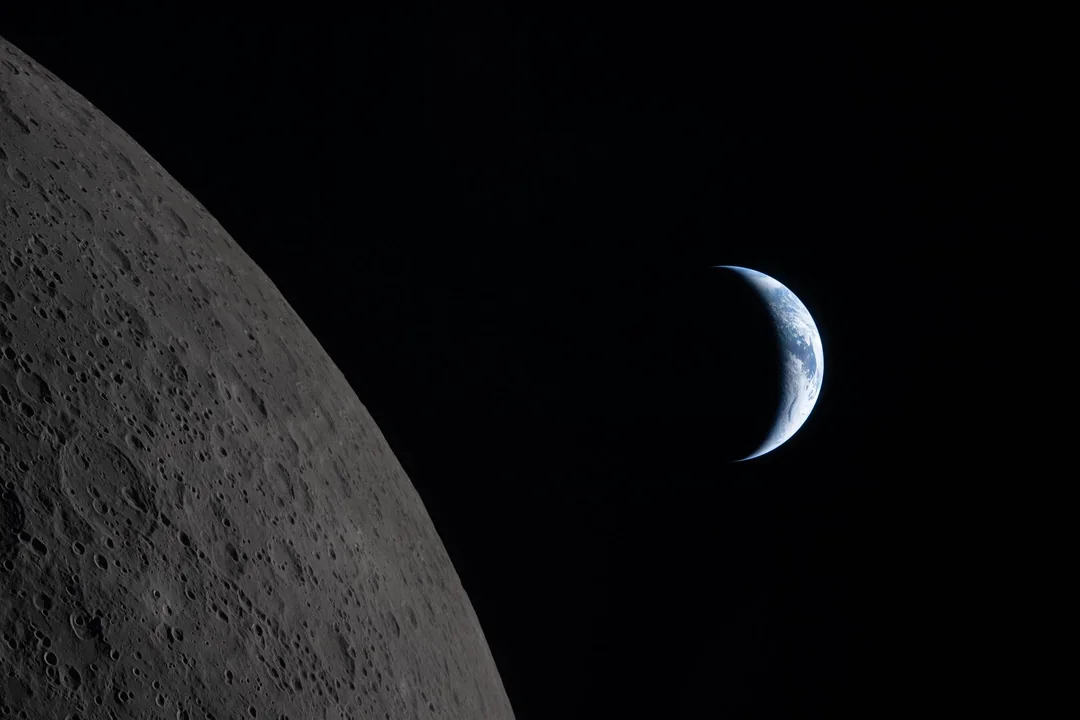
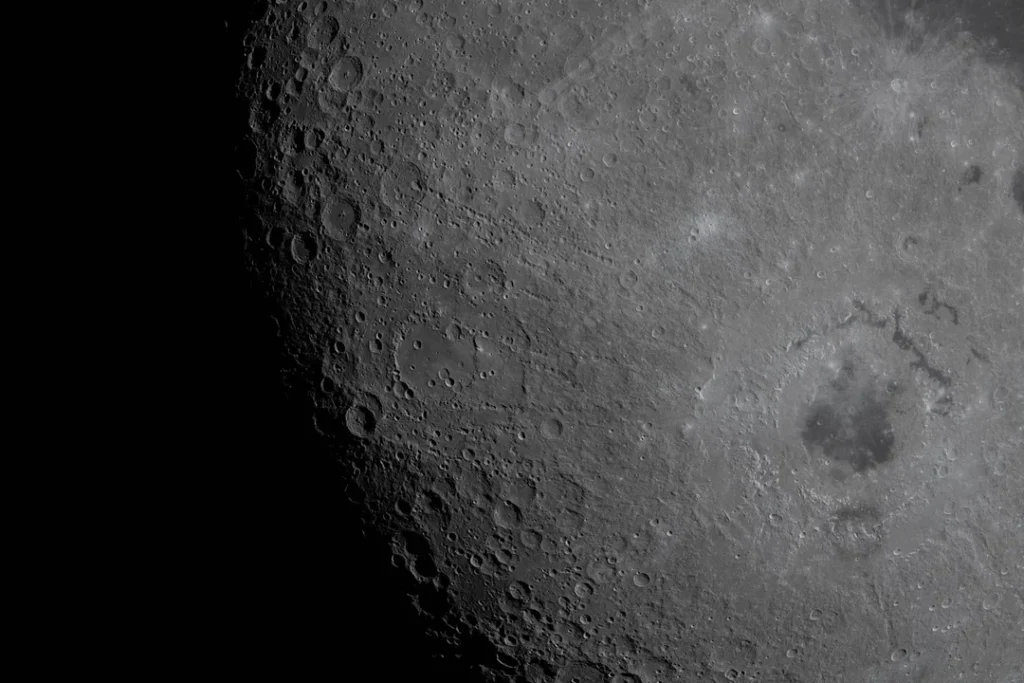
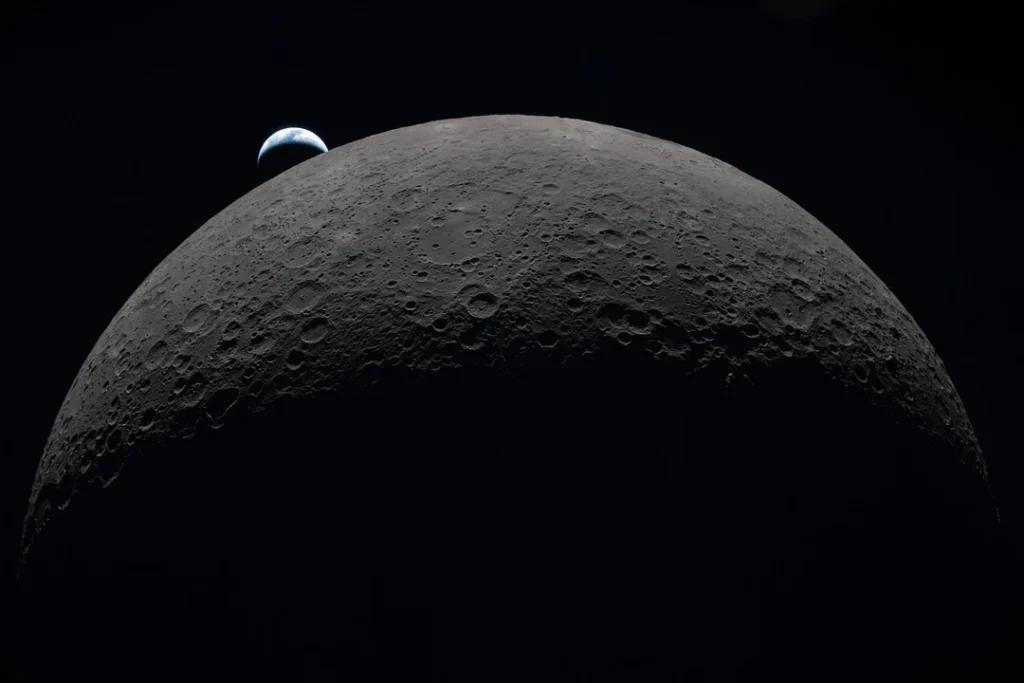
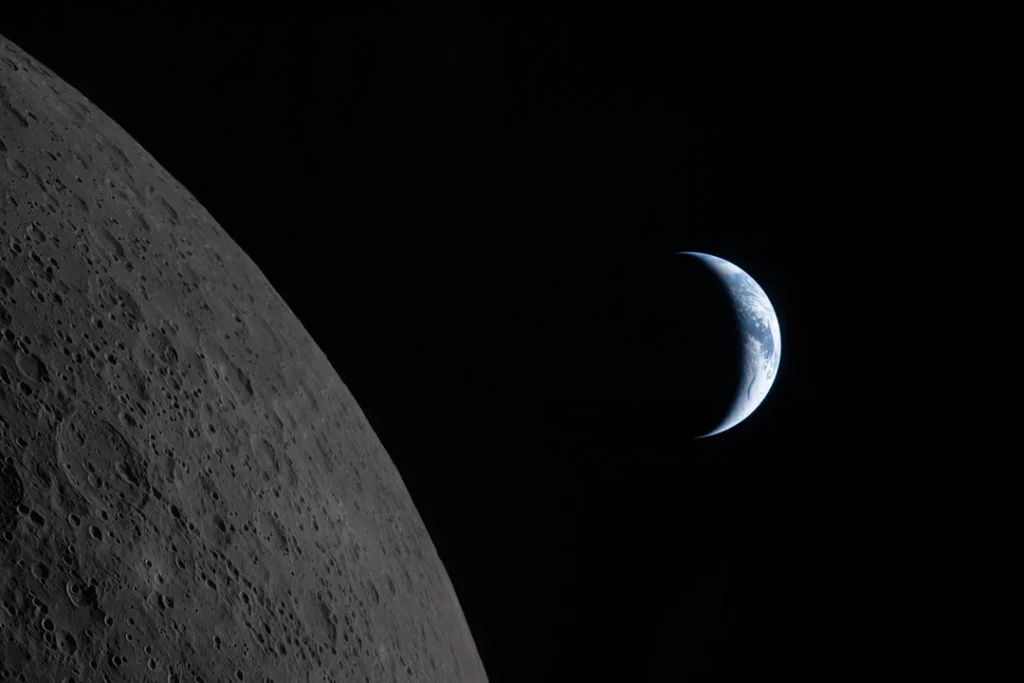
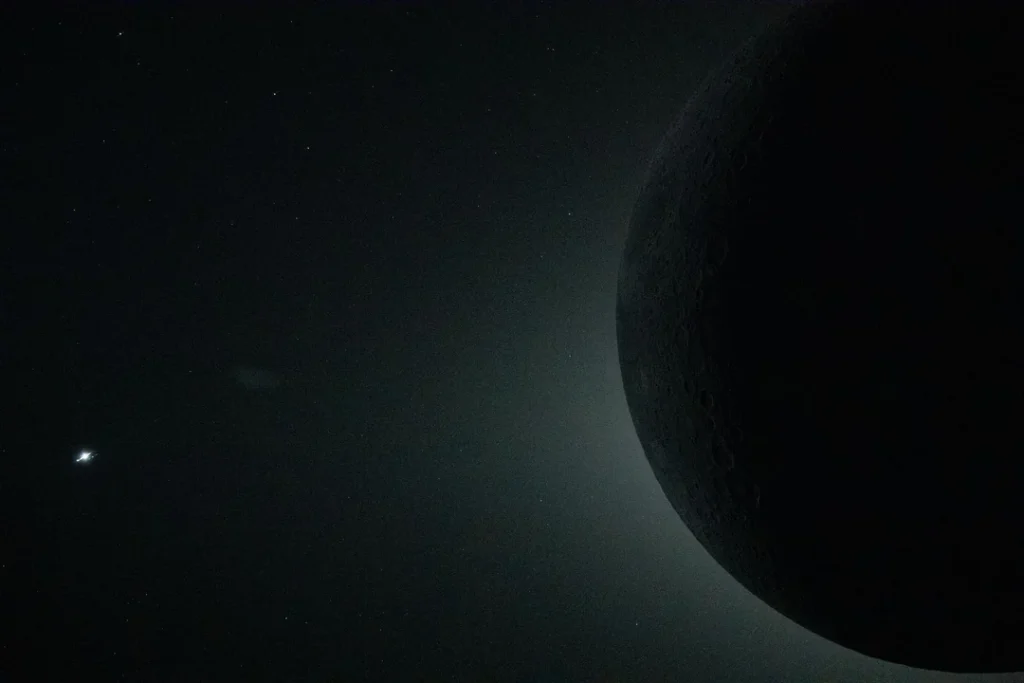
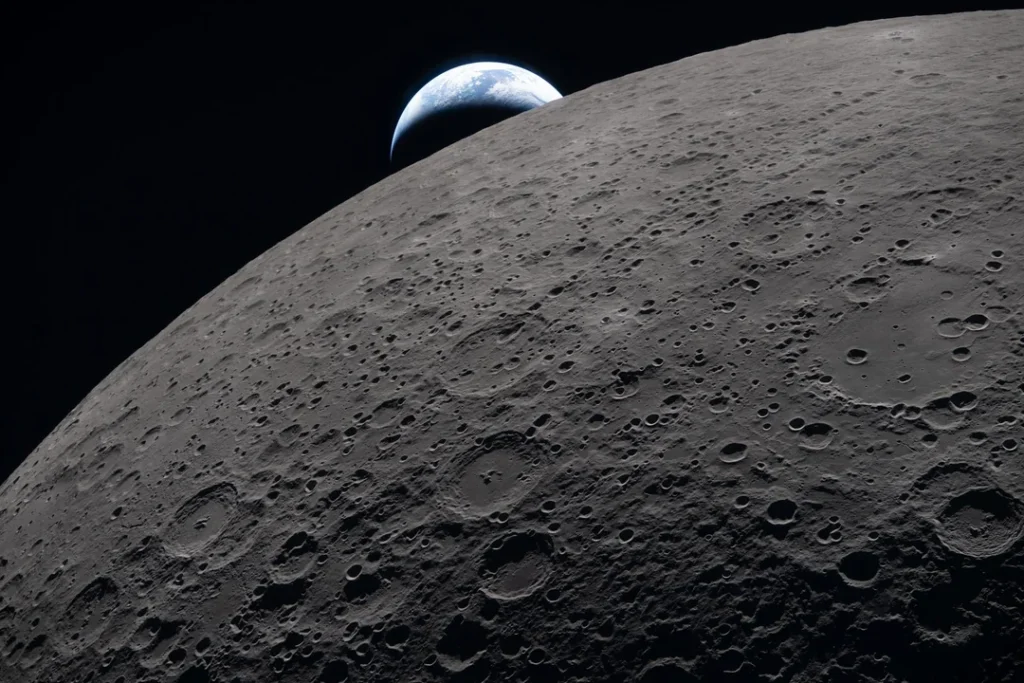
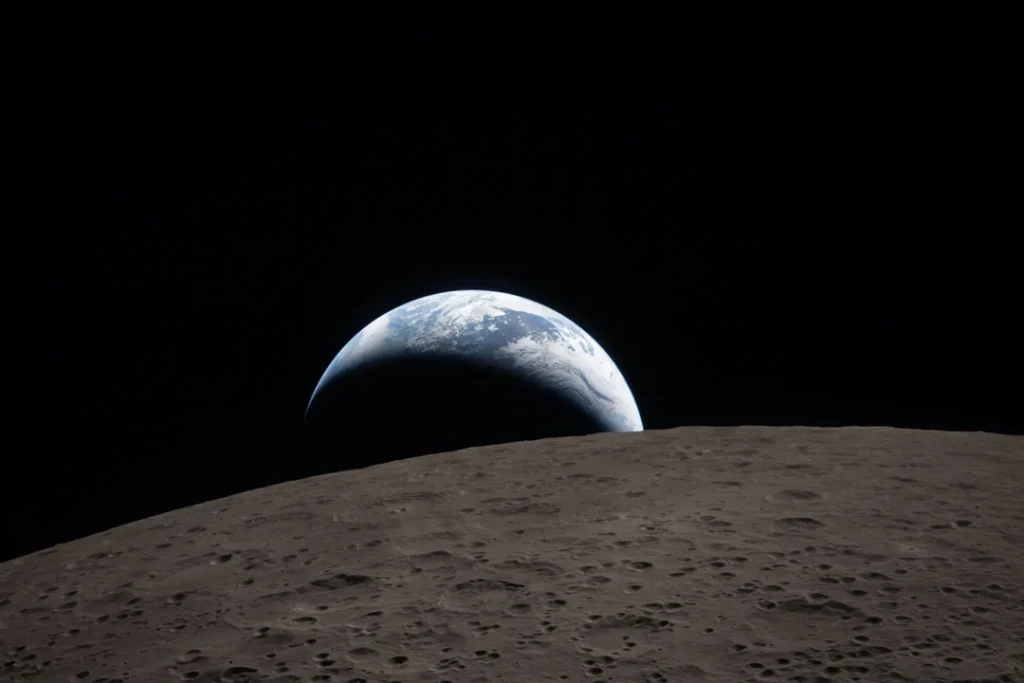
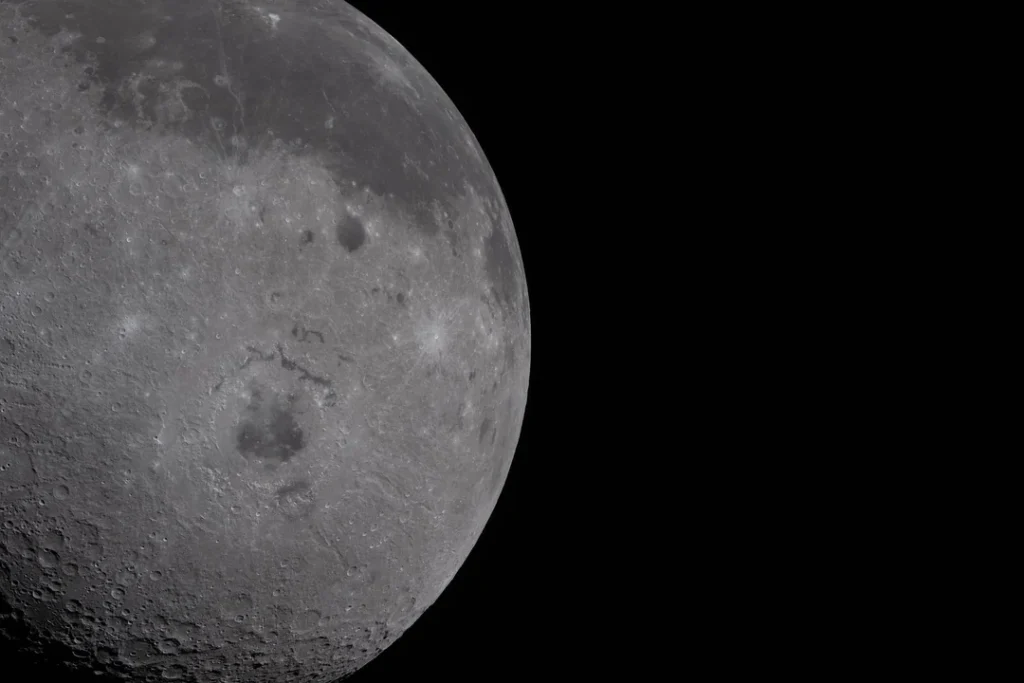
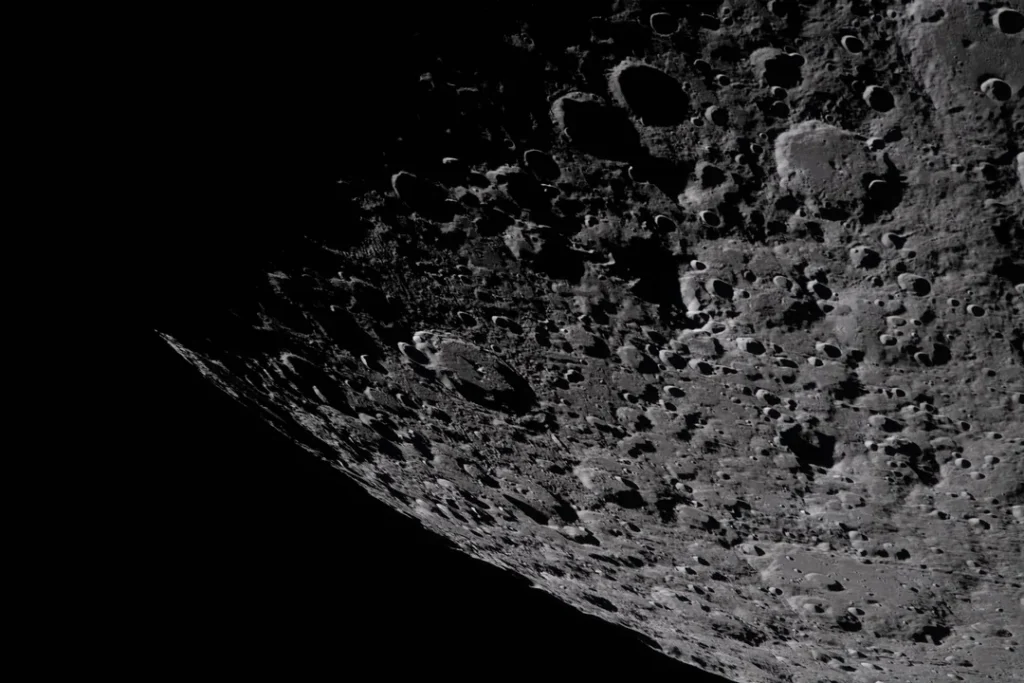
When you look at these 8K renders and raw captures from the Orion spacecraft, the first thing that hits you is the clarity of the lunar regolith. You aren’t just seeing “craters”; you are seeing the crystalline structure of the dust, the jagged shadows of mountains larger than the Himalayas, and the absolute, terrifying “void” of the black space behind it.
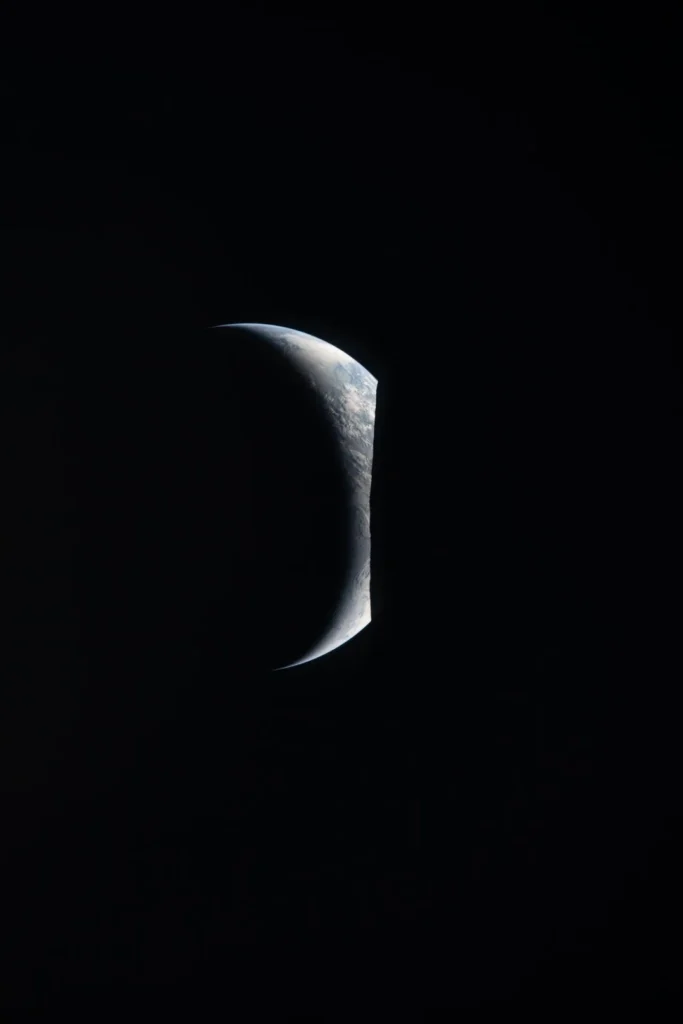
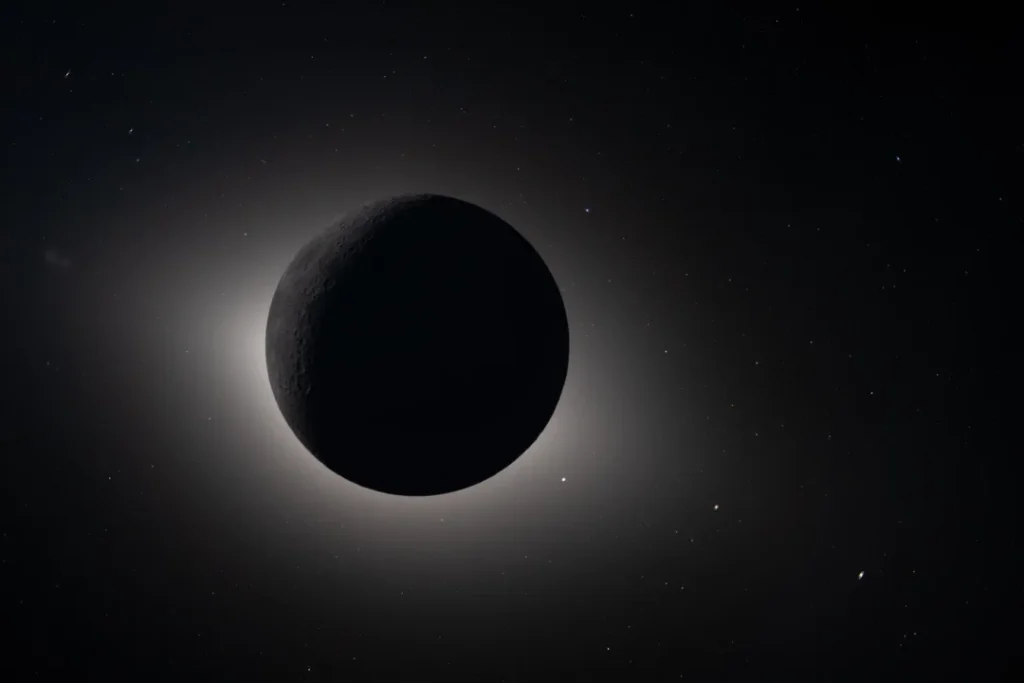
Why it looks “weird” or “fake” to some:
As one Redditor perfectly put it: “It’s literally unlike anything any of us have ever seen personally.” * No Atmosphere: On Earth, distant objects look blurry or blue-ish because of air and moisture. On the Moon, there is no air. A mountain 50 miles away looks as sharp as a rock 5 feet away.
- Harsh Lighting: There is no “ambient” light. If you are in the sun, you are blasted with radiation; if you are in the shadow, you are in total darkness. This creates high-contrast visuals that look like a movie set because our brains aren’t evolved to process a vacuum.
🚀 The Scale of Artemis II
To understand the distance and the tech involved in capturing these images, here is the breakdown of the journey Orion is taking:
| Feature | Artemis II Detail |
| Max Distance from Earth | Approx. 400,000 km (250,000 miles) |
| Speed | Over 40,000 km/h (25,000 mph) during re-entry |
| Resolution | 8K UHD (7680 × 4320 pixels) |
| Crew | 4 Humans (First humans to see the far side since 1972) |
📸 Technical Mastery in Deep Space
Capturing 8K footage in deep space isn’t as simple as bringing a high-end camera. The equipment has to survive:
- Extreme Thermal Cycles: Swinging from 121°C (250°F) in sunlight to -157°C (-250°F) in the shade.
- Radiation: Solar flares and cosmic rays can fry standard digital sensors, creating “hot pixels” or corrupting the files.
- Data Transmission: Sending 8K files across a quarter-million miles of vacuum requires the Optical Communications System (using lasers instead of radio waves) to handle the massive bandwidth.
The Verdict
Whether you’re a space nerd or a skeptic, there is no denying the raw, visceral impact of seeing our celestial neighbor in this much detail. It reminds us that while we are small, our reach is getting incredibly long.