
ethiopian food austin Austin’s culinary scene is a vibrant tapestry, and among its most cherished threads are the warm, aromatic, and incredibly communal dishes of Ethiopia. If you’ve never experienced the joy of tearing off a piece of injera and scooping up a medley of spiced stews, you’re in for an absolute treat. And if you’re already a fan, you know exactly what we’re talking about!
Why Ethiopian Food is a Must-Try Experience
Ethiopian cuisine isn’t just about eating; it’s about sharing, connecting, and savoring an explosion of unique flavors.
1. The Art of Injera: Forget forks and knives! The cornerstone of any Ethiopian meal is injera, a spongy, slightly sour flatbread made from teff flour. It acts as your plate, your utensil, and a delightful part of every bite.
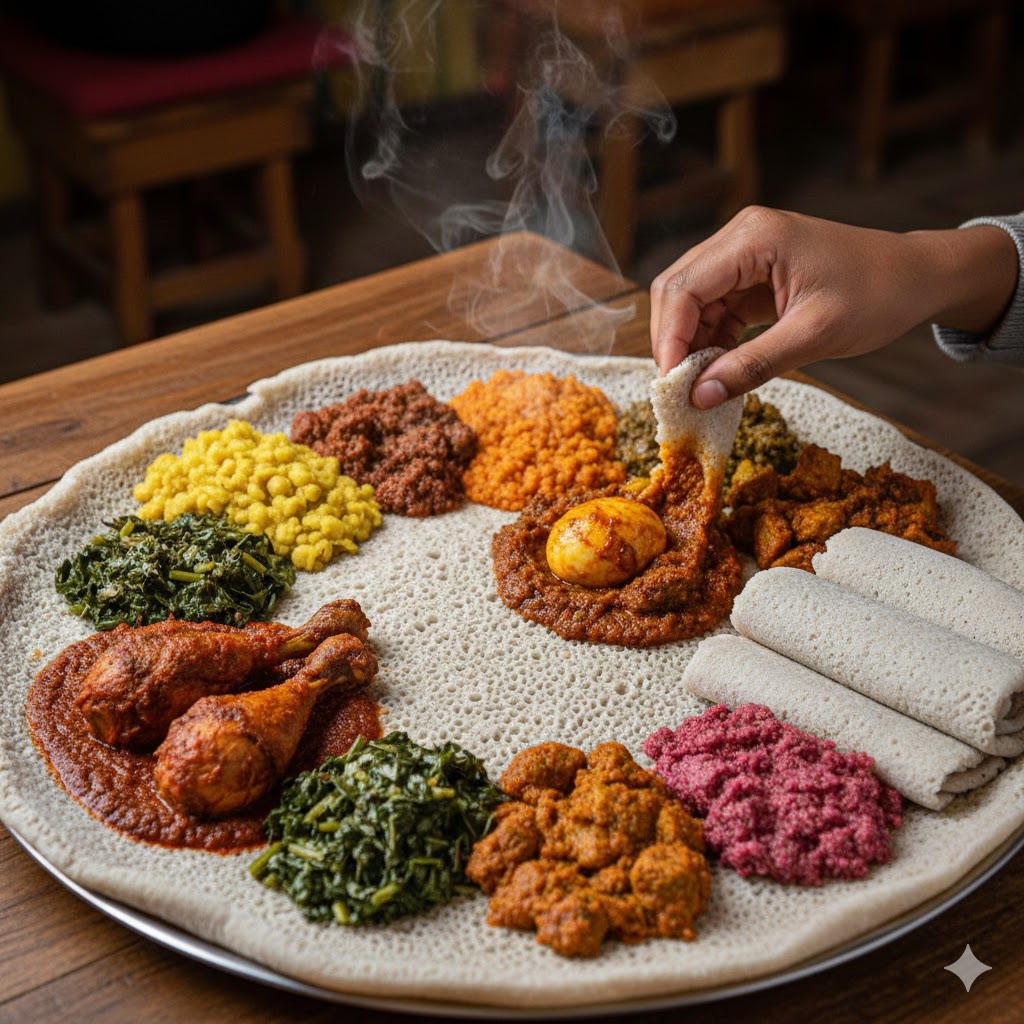
2. A Symphony of Spices: Ethiopian dishes are renowned for their complex and aromatic spice blends, particularly berbere, a chili powder mix with garlic, ginger, basil, and other fragrant ingredients. This gives the food its distinctive warmth and depth.
3. Vegetarian & Vegan Paradise: Lentils, chickpeas, collard greens, cabbage, and potatoes are staples. Many traditional Ethiopian dishes are naturally vegetarian or vegan, especially during fasting periods, making it an incredible option for plant-based eaters.
4. Communal Dining: Meals are typically served on a large platter meant for sharing. This fosters conversation, connection, and a truly authentic dining experience.
Top Ethiopian Restaurants in Austin
While Austin might not have a massive list of Ethiopian eateries, the ones we have are gems!
- Aster’s Ethiopian Restaurant: Often cited as a local favorite, Aster’s offers a cozy atmosphere and a broad menu of traditional stews (wots and tibs), vegetarian platters, and excellent coffee. Their Kitfo (minced raw beef, though often available cooked) is particularly praised.
- Taste of Ethiopia: Another highly-rated spot known for its authentic flavors and generous portions. They have a fantastic selection of both meat and vegetarian dishes, and their friendly service makes for a great experience. Don’t miss their Doro Wat!
- Austin’s Food Trucks & Pop-Ups: Keep an eye out! Austin’s dynamic food scene means new Ethiopian options can pop up. Check local food truck parks or farmers’ markets for new culinary adventures.
What to Order: A Mini-Guide
Feeling overwhelmed by the menu? Here are some classic dishes to get you started:
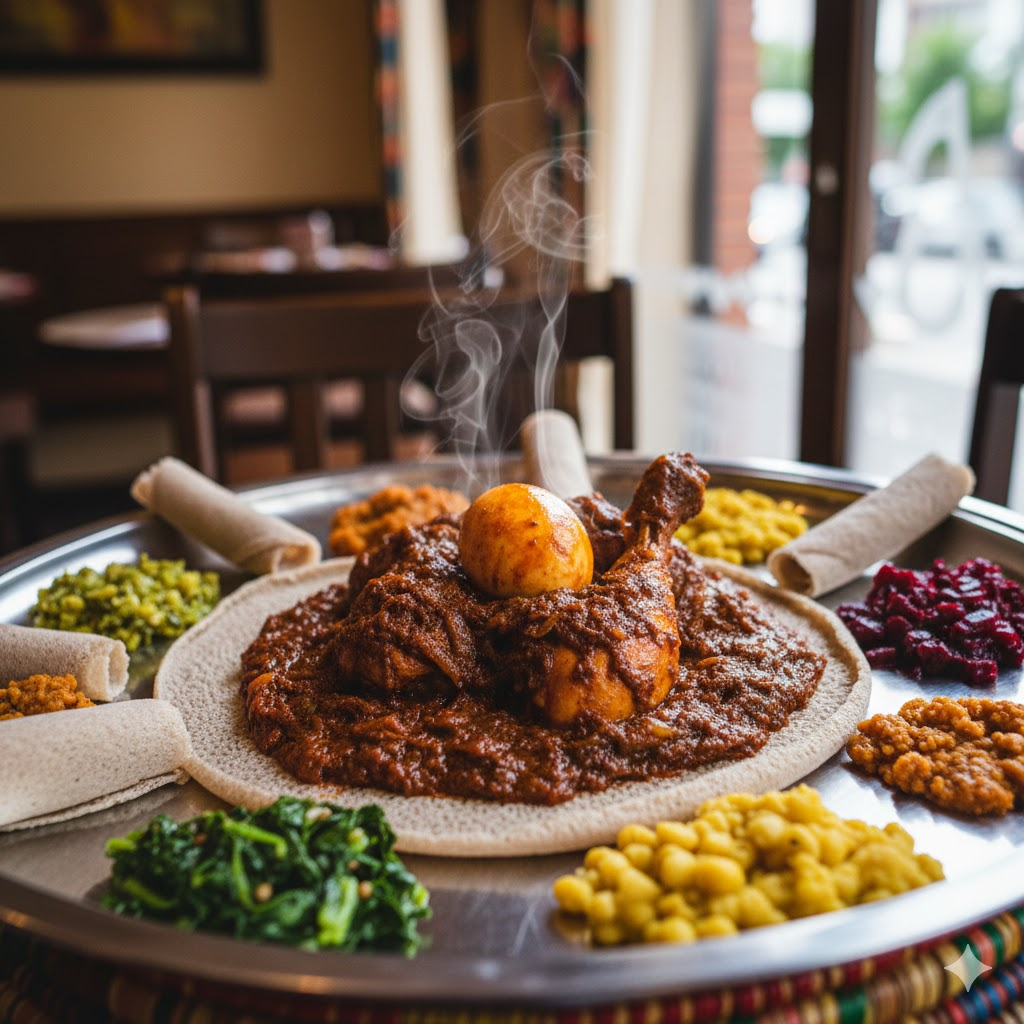
- Doro Wat: The national dish of Ethiopia! A rich, spicy chicken stew simmered with berbere, onions, garlic, and ginger, often served with a hard-boiled egg.
- Key Wot: A spicy beef stew.
- Alicha Wot: A milder, turmeric-based stew, often made with beef or lamb.
- Tibbs: Cubes of meat (beef, lamb, or chicken) sautéed with onions, peppers, and spices. Often served sizzling.
- Shiro Wat: A hearty, flavorful vegetarian stew made from ground chickpeas or broad beans.
- Misir Wot: A delicious and slightly spicy red lentil stew.
- Gomen: Braised collard greens, often cooked with garlic and ginger.
- Combination Platters: If you’re with a group or want to try a bit of everything, these are your best bet! They typically feature a variety of meat and vegetable dishes served atop a large injera.
The Ethiopian Coffee Ceremony: A Cultural Experience
Beyond the food, Ethiopia is the birthplace of coffee, and the traditional coffee ceremony (buna) is a revered ritual. If a restaurant offers it, don’t miss out! It involves roasting green coffee beans, grinding them, brewing them in a special pot (jebena), and serving them in small cups. It’s a slow, aromatic, and truly special experience.
Frequently Asked Questions (FAQ) About Ethiopian Food
Q1: Is Ethiopian food usually spicy? A: Many dishes, especially those with berbere, can be spicy, but the level of heat varies. Dishes like Alicha Wot are milder, and most restaurants can adjust the spice level upon request. Don’t be afraid to ask!
Q2: How do you eat Ethiopian food? A: With your hands! You use pieces of injera to scoop up the various stews and vegetables. It’s an integral part of the experience.
Q3: Is Ethiopian food healthy? A: Yes, it generally is! It’s rich in vegetables, legumes, and lean meats, often cooked with beneficial spices like turmeric, ginger, and garlic. Injera is also made from teff, a gluten-free ancient grain, though cross-contamination can occur if restaurants mix it with other flours.
Q4: Are there many vegan/vegetarian options? A: Absolutely! Ethiopian cuisine is a dream for plant-based eaters. Look for “fasting platters” or “vegetarian combination platters” which offer a delicious array of lentil, chickpea, and vegetable stews.
Q5: What is teff? A: Teff is a tiny, ancient grain native to Ethiopia, known for its high nutritional value. It’s naturally gluten-free and is the primary ingredient for injera.
Q6: Can I get Ethiopian food delivered in Austin? A: Many Ethiopian restaurants in Austin offer delivery through popular third-party apps like DoorDash, Uber Eats, and Grubhub. Check their individual websites or your preferred app.
Ready to Embark on Your Ethiopian Culinary Journey?
Whether you’re a seasoned foodie or just curious to try something new, Ethiopian cuisine in Austin offers a unique and deeply satisfying experience. Gather your friends, prepare your palate, and get ready to enjoy a meal that’s as rich in culture as it is in flavor.
Have you tried Ethiopian food in Austin? Share your favorite dishes or restaurants in the comments below!
Leave a reply